
It’s The Vinegar Variety Show: Your Guide to the Most Useful Vinegars (and How to Use Them Like a Pro)
If you’ve ever stared at the vinegar section of the grocery store and thought, “Do I really need more than one kind of vinegar?”—the answer is, well, maybe.
But also probably.
Different vinegars offer different levels of acidity, sweetness, and flavor, and knowing which one to grab can take your cooking from fine to fabulous. And because I’m all about frugal flavor, we’re skipping the fancy boutique bottles and focusing on the ones you’ll actually use without needing a trust fund.
But first!
Why I’m Obsessed with Vinegar (And You Should Be Too)
Vinegar is one of those humble kitchen heroes that does more than just add a zing to your food. A splash can brighten up a salad, marinade, or sauce, giving big flavor with hardly any calories. It also supports gut health by encouraging beneficial bacteria, aiding digestion, and helping stabilize blood sugar after meals.
Making your own salad dressings with vinegar turns an ordinary salad into a virtuous dish, letting you control ingredients, skip extra sugar or preservatives, and play with flavors—tangy apple cider, mellow balsamic, or bright sherry vinegar. With a drizzle of olive oil and a sprinkle of herbs, your salad becomes more than a side dish—it’s a flavorful, feel-good celebration of wellness.
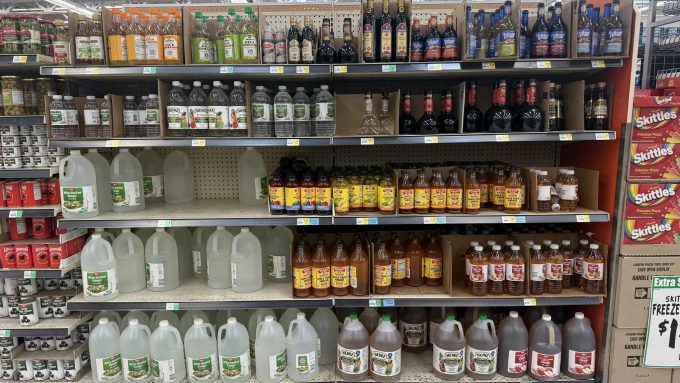
Let’s swirl through the top types of vinegar and how each one shines.
1. White Distilled Vinegar
Flavor: Very sharp, clean, acidic
Best For: Cleaning, pickling, dyeing Easter eggs, unclogging drains—and oh yes, cooking.
This pantry staple is the workhorse of the vinegar world. It’s made from fermented grain alcohol, and while it’s a bit too aggressive to use in most dressings, it’s ideal for pickling veggies, tenderizing meat in marinades, and even poaching eggs. And yes, it’s also your best friend for cleaning coffee pots, countertops, and glass.
2. Apple Cider Vinegar (ACV)
Flavor: Fruity, tangy, slightly sweet
Best For: Dressings, marinades, wellness tonics, slaws
Made from fermented apple juice, ACV is beloved by nutritionists and grandmas alike. It adds a gentle zing to salad dressings, coleslaw, BBQ sauce, and anything that needs a little lift. If you’re into DIY beauty or home remedies, you already know it’s practically the vinegar of the people.
Diva tip: Buy it with “the mother” (those murky bits at the bottom)—it’s loaded with good bacteria if you’re using it for gut health.
3. Balsamic Vinegar
Flavor: Dark, rich, sweet-tart, sometimes syrupy
Best For: Salad dressings, roasted veggies, strawberries, drizzling over everything when you’re feeling fancy
Balsamic is made from grape must (freshly crushed grape juice with skins and seeds) and aged for months or even years. The longer it’s aged, the pricier it gets. But don’t worry—a modest supermarket bottle still brings bold flavor. Great in reductions, glazes, and to give grilled chicken a “Wow, you made this?” moment.
4. Red Wine Vinegar
Flavor: Bold, tangy, slightly fruity
Best For: Vinaigrettes, sauces, hearty salads, anything Mediterranean
If you’ve got chickpeas, feta, garlic, and olive oil, red wine vinegar is the missing link. It brings brightness to roasted vegetables, bean salads, and tomato-heavy sauces. Use it when you want flavor with a little fire.
5. White Wine Vinegar
Flavor: Milder and lighter than red wine vinegar, with floral notes
Best For: Light salad dressings, fish, pan sauces, delicate vegetables
White wine vinegar is your gentle friend—it perks up flavors without overpowering. Excellent in French-style vinaigrettes, seafood marinades, or deglazing pans for white wine sauces when you, ahem, don’t have wine.
6. Rice Vinegar (a.k.a. Rice Wine Vinegar)
Flavor: Mild, slightly sweet
Best For: Stir fries, sushi rice, dipping sauces, quick pickles
Popular in Asian cuisine, rice vinegar is the subtle background dancer—never upstaging but always enhancing. There’s seasoned and unseasoned rice vinegar. The seasoned type contains sugar and salt—ideal for sushi rice or salad dressing. The unseasoned version gives you more control over flavor.
7. Malt Vinegar
Flavor: Nutty, malted, robust
Best For: Fish and chips, British recipes, savory marinades
Made from fermented barley, malt vinegar has an earthy bite. If you’ve ever eaten fish and chips wrapped in newspaper, you know the unmistakable aroma. It’s not for everything, but when you want that pub-food punch, this is the one.
8. Champagne Vinegar
Flavor: Delicate, crisp, floral
Best For: Light dressings, fruit-based salads, elegant sauces
Yes, it sounds a bit posh, but don’t be intimidated. Champagne vinegar is lovely in light, citrusy vinaigrettes or anytime you’re working with delicate greens or fruit. It won’t upstage your ingredients—it just whispers sweet nothings.
Easy 3:1 Salad Dressing Formula
Here’s a ratio that’s impossible to forget: 3 parts oil : 1 part vinegar.
What You’ll Need:
-
3 tablespoons olive oil (or your preferred mild oil)
-
1 tablespoon vinegar (apple cider, balsamic, sherry, or your favorite)
-
Pinch of salt
-
Pinch of pepper
-
Optional: ½ teaspoon Dijon mustard or honey for extra flair
Here’s How:
-
Whisk all ingredients in a bowl, or shake in a jar with a lid.
-
Taste and adjust seasoning if needed.
-
Pour over your salad, toss, and enjoy!
Diva Tips:
-
Once you know the 3:1 ratio, you can scale it up for batches or experiment with flavors—add fresh herbs, garlic, or citrus zest for variety.
-
This simple trick lets you enjoy bright, flavorful salads any time, with your gut, waistline, and taste buds all cheering.
Final Thoughts:
You don’t need every vinegar in the aisle, but keeping 2–3 on hand gives you flavor flexibility without much cost. If you’re just getting started, I recommend white vinegar for cleaning and pickling, apple cider vinegar for everyday use, and balsamic for richness and depth.
✨ Bonus frugal tip: If you’re out of a particular vinegar, you can often substitute another by tweaking the sweetness or acidity. Just don’t try to clean your windows with balsamic. Trust me.
